
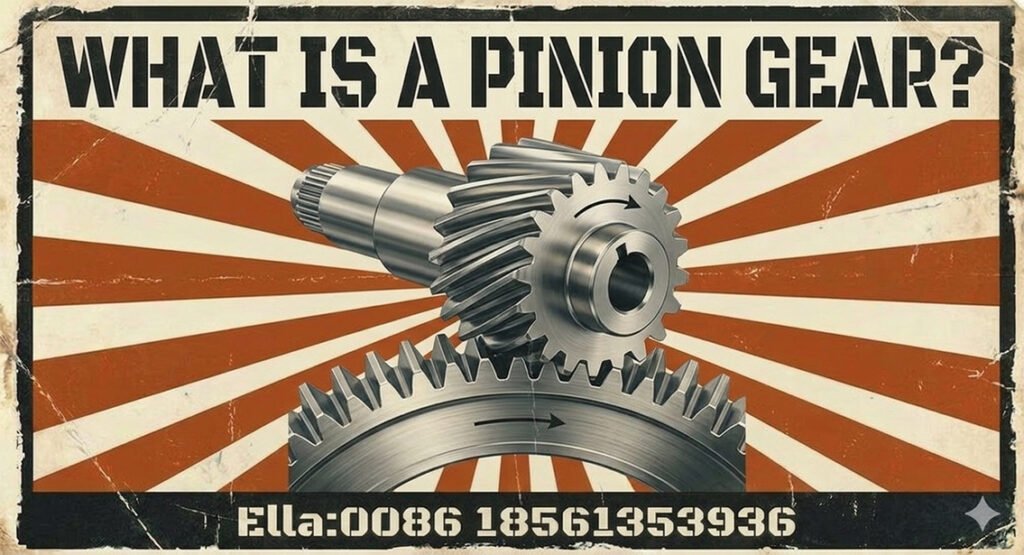
A pinion gear is a key component in mechanical power transmission, connecting motors, gearboxes, and driven machinery through controlled tooth engagement. Pinions are used in applications ranging from compact transmission stages to heavy-duty...

Helical gears are widely used in industrial power transmission because their angled teeth engage progressively, providing smooth motion transfer and generally quieter operation than comparable spur gears. They are found in enclosed gearboxes...
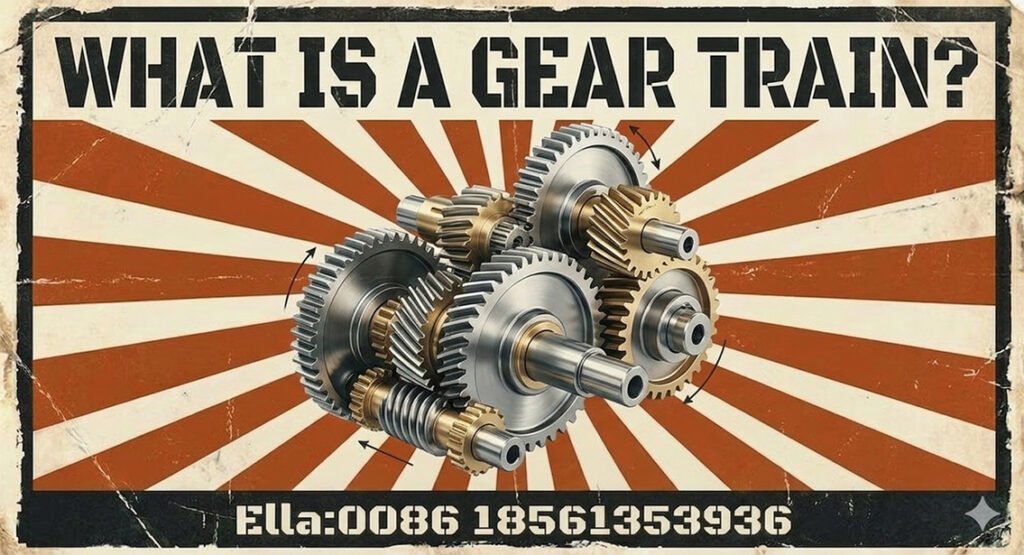
A gear train is a mechanical transmission system that uses two or more meshing gears to transfer rotational motion and power between shafts. By selecting the appropriate gear arrangement and tooth counts, engineers can control output speed, increase...
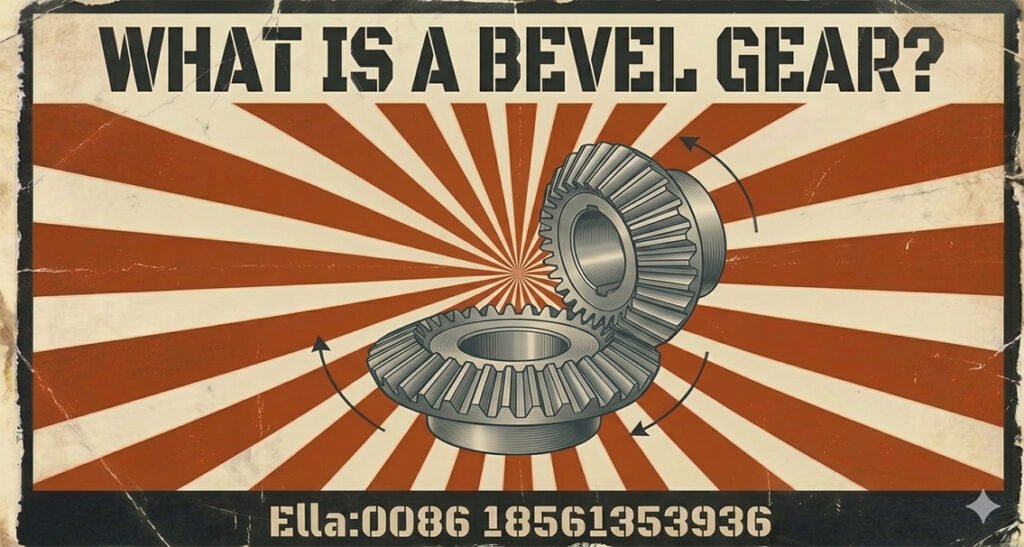
Bevel gears are essential mechanical components for transmitting power between intersecting shafts. They are widely used in industrial gearboxes, machine tools, material-handling equipment, and specialized drive systems where the direction of...
Gear ratio is the foundational parameter of mechanical power transmission, defining the mathematical relationship between input and output rotational speed, torque, and tooth count of meshing gears. Every gear drive, from compact enclosed reducers to...
Gear module is one of the most important parameters in metric gear design and manufacturing. It defines the relationship between a gear’s pitch diameter and number of teeth and provides the foundation for calculating basic tooth geometry...